

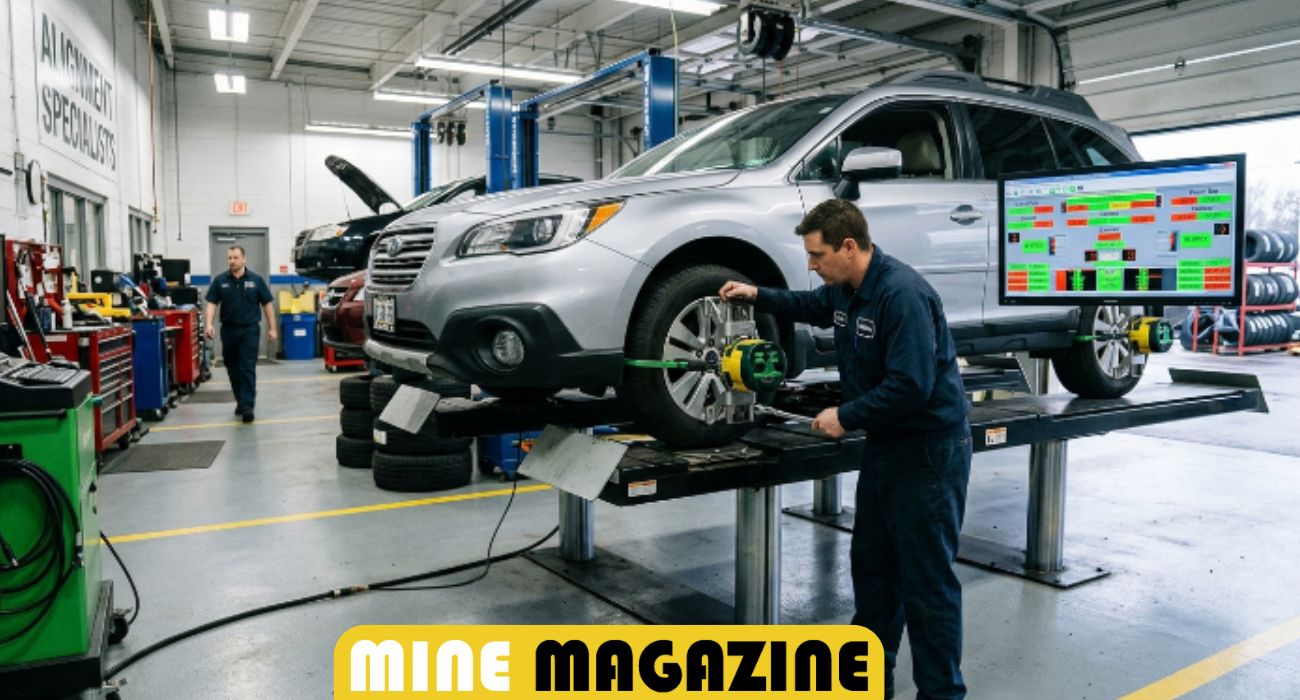
Wheel alignment plays a key role in keeping your car safe, smooth, and fuel efficient. When your vehicle alignment is correct, your tires roll evenly on the road, reducing stress on the engine and improving overall performance. Many drivers ignore alignment adjustment until problems appear like uneven tire wear or poor handling. However, regular wheel alignment service can prevent costly repairs and improve driving comfort.
It also boosts fuel efficiency and alignment, helping you save money on every mile. Understanding signs of wheel alignment problems early can protect your tires, suspension, and steering system for long-term reliability.
What Is Wheel Alignment? (Simple Definition)
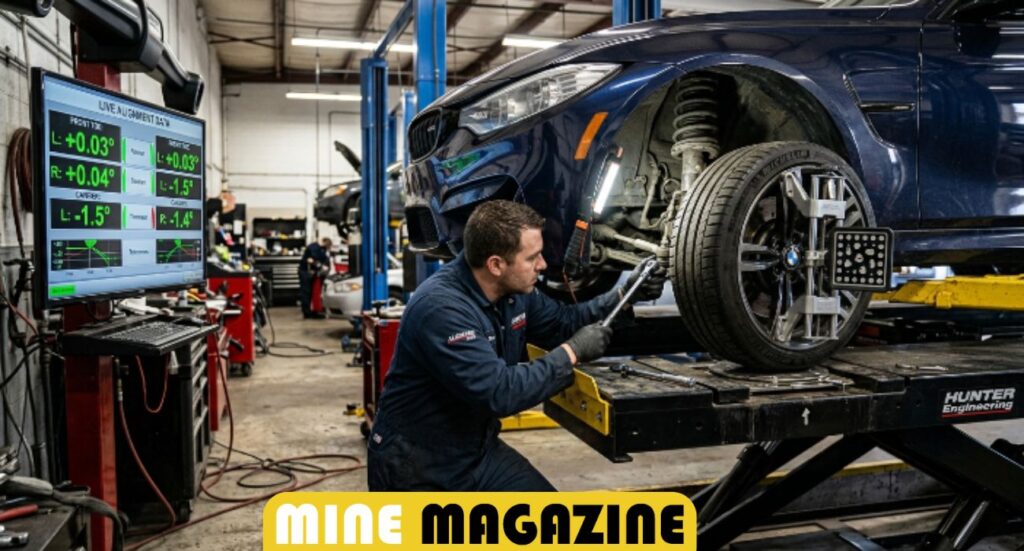
Wheel alignment means adjusting your wheel alignment angles so your tires meet the road the right way. In simple words, it is a suspension system adjustment that keeps your car moving straight without resistance. When alignment is correct, your tires roll smoothly and your steering feels light and stable.
If alignment is off, your tires don’t sit correctly on the road surface. This affects tire contact with road surface, creates drag, and reduces handling and stability of vehicle. Many drivers in the USA first notice problems through uneven tire wear or a slight drift while driving straight.
How Wheel Alignment Works (Camber, Caster, Toe Explained)
Wheel alignment depends on three key angles known as camber caster toe alignment. Camber controls how much your tires tilt in or out. Caster controls steering balance and straight-line stability. Toe controls whether tires point inward or outward.
When mechanics adjust these angles, they perform a precise wheel geometry adjustment. Even a tiny mistake can lead to car pulling to one side or poor driving comfort and safety. That is why modern workshops use digital machines for accurate alignment.
A simple way to understand it is like this table:
| Angle | What It Controls | What Happens If Wrong |
| Camber | Tire tilt | Uneven tire wear |
| Caster | Steering balance | Weak stability |
| Toe | Tire direction | Drag and noise |
This process directly impacts vehicle alignment and overall road behavior.
What Does Wheel Alignment Do for Your Vehicle?
A correct wheel alignment service improves how your car feels on the road. It keeps your tires straight, reduces friction, and helps your steering respond better. You instantly notice smoother driving and better control.
It also reduces stress on your suspension and brakes. Poor alignment can affect brake system impact alignment, leading to uneven braking pressure and long-term wear issues like rear wheel cylinder wear or even rear wheel seal issues in some vehicles.
How Wheel Alignment Improves Fuel Efficiency
Good alignment directly improves fuel efficiency and alignment because your tires roll instead of drag. When wheels are misaligned, the engine works harder, and fuel burns faster.
This happens because of increased rolling resistance in tires. The engine fights against friction instead of moving freely. Over time, this reduces mileage and increases fuel cost.
A simple comparison:
| Condition | Fuel Use | Tire Life |
| Proper alignment | Low | Long |
| Poor alignment | High | Short |
So yes, does wheel alignment affect fuel economy? Absolutely. It changes how efficiently your car moves on the road.
Signs Your Car Needs a Wheel Alignment
There are clear signs of wheel alignment problems that drivers should never ignore. One of the most common is a steering wheel vibration while driving. Another major sign is car pulling to one side even on a straight road.
You may also see uneven tread wear. This is called uneven tire wear and usually means alignment is already bad. Many drivers also ask what are signs of bad wheel alignment, and these symptoms are the most common answers.
Other common warning signs include:
- Steering wheel not centered
- Noise while turning
- Reduced driving comfort
If you are wondering how do I know if my car needs alignment, these signs are your answer.
Causes of Wheel Misalignment
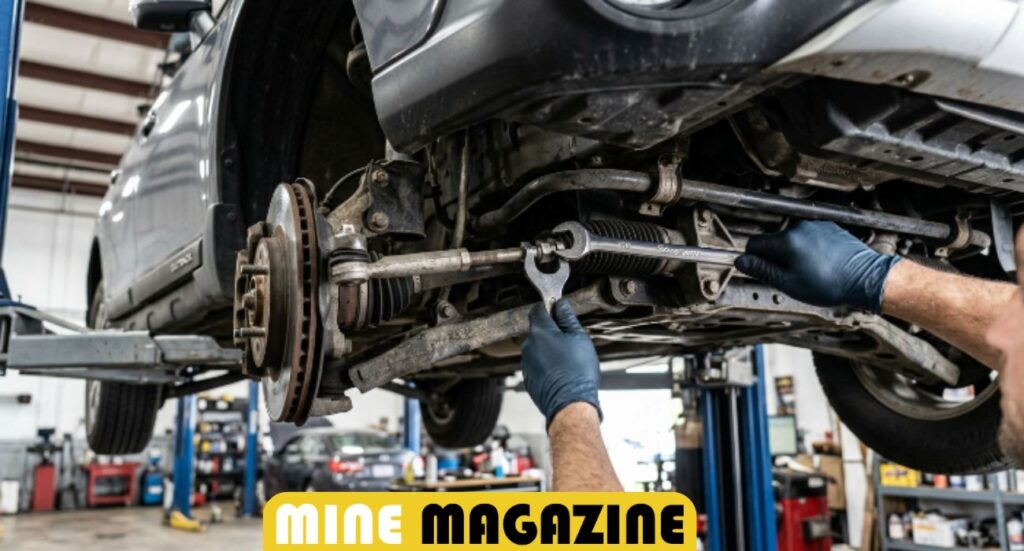
Wheel misalignment happens for many real-world reasons. The most common cause is road damage like potholes. This is known as pothole damage alignment and is very common in USA roads.
Other causes include hitting curbs, worn suspension parts, and rough driving conditions. Over time, even normal driving can slowly shift angles. That is why experts recommend regular alignment inspection interval checks.
Many drivers ask what causes wheel misalignment, and the answer is usually a mix of road impact and suspension wear.
How Often Should You Get a Wheel Alignment?
Most experts recommend checking alignment every 6,000 to 10,000 miles. This follows the manufacturer recommended alignment schedule for most vehicles in the USA.
However, driving conditions matter a lot. If you hit a pothole or notice handling changes, you should check immediately. That is why many drivers ask how often should I get tires aligned, and the answer depends on usage.
A simple rule is:
| Condition | Alignment Frequency |
| Normal driving | Once a year |
| Rough roads | Every 6 months |
| After impact | Immediately |
Following this improves tire longevity and reduces repair costs.
Wheel Alignment vs Tire Balancing (Key Difference)
Many drivers confuse alignment with balancing, but they are different services. Alignment adjusts wheel angles, while balancing fixes weight distribution in tires.
This is important because both affect ride quality. However, only alignment fixes direction and stability issues like handling and stability of vehicle problems.
People often ask difference between tire balancing and wheel alignment, and the simple answer is direction vs smooth rotation.
| Service | Purpose | Fixes |
| Wheel alignment | Wheel direction | Pulling, uneven wear |
| Tire balancing | Weight balance | Vibration |
Benefits of Regular Wheel Alignment
Regular alignment improves many areas of your vehicle. It enhances safety, improves fuel efficiency, and increases tire life. It also protects suspension parts from stress.
It directly improves driving comfort and safety, especially on highways. It also reduces maintenance costs and avoids early tire replacement. This is why many drivers say is wheel alignment worth it, and the answer is always yes when done on time.
Key benefits include better fuel savings, smoother steering, and stronger road grip.
Final Thoughts
Wheel alignment is not just a small repair. It is a key part of vehicle maintenance tips that protects your car long-term. Without it, even good tires wear out quickly and fuel use increases.
Many drivers ignore it until problems become serious. But a simple alignment adjustment can fix issues like vibration, pulling, and uneven wear. So if you ever wonder how alignment improves driving safety, the answer is simple. It keeps everything stable, balanced, and controlled on the road.
In the end, a well-aligned car gives you smoother rides, better mileage, and safer journeys every time you drive.
FAQ’s About Wheel Alignment
How much does a wheel alignment usually cost?
In the USA, a wheel alignment usually costs between $75 to $150, depending on the vehicle type and workshop.
How do you know if wheels need alignment?
You’ll notice your car pulling to one side, uneven tire wear, or a steering wheel that doesn’t stay centered.
Is $100 for a wheel alignment good?
Yes, $100 is a normal and fair price for a standard wheel alignment at most service centers.
What are the signs of a bad alignment?
Common signs include steering wheel vibration, uneven tire wear, and the car drifting off straight driving.
Can I still drive with a bad alignment?
People Also Read: Pittsburgh Steelers vs Cincinnati Bengals Match Player Stats: Full Game Analysis & Breakdown

I am Muhammad Arif, an experienced digital marketer and content writer specializing in SEO and audience growth. I focus on creating high quality, engaging content that delivers real results.