

Heart disease often develops quietly, but your body usually sends clear Heart Attack Warning Signs before a serious event occurs. Many people ignore early signals, thinking they are minor issues, yet recognizing heart attack symptoms at the right time can make a life-saving difference. You might notice mild discomfort, unusual tiredness, or even subtle pressure in your chest.
These can be early signs of heart attack that should never be ignored. In many cases, chest pain and heart attack are closely linked, but not always obvious. Even a shortness of breath heart issue can signal danger. Understanding these warning signs helps you act quickly and protect your long-term health.
What Is a Heart Attack? (Complete Overview)
A heart attack happens when blood flow to the heart gets blocked. Doctors call it myocardial infarction meaning a serious injury to heart muscle. This usually occurs due to coronary artery disease causes, where fat builds up inside arteries. Over time, this reduces oxygen supply and damages the heart.
Understanding what is a heart attack helps you act faster. Many people ignore early discomfort. That delay can be dangerous. Recognizing blocked arteries symptoms early can prevent permanent damage and improve recovery chances.
Main Causes and Risk Factors of Heart Attacks
Most heart attacks come from long-term health issues. The main causes of heart attack include plaque buildup, blood clots, and narrowed arteries. These conditions limit blood flow and increase pressure on the heart.
Several heart attack risk factors raise your chances. These include high blood pressure, smoking, diabetes, and obesity. The table below shows common risks:
| Risk Factor | Impact on Heart |
| High cholesterol | Blocks arteries |
| Smoking | Damages blood vessels |
| Diabetes | Weakens circulation |
| Stress | Raises heart pressure |
Understanding risk factors for cardiovascular disease helps you take control early. Prevention always works better than treatment.
Early Warning Signs You Should Never Ignore
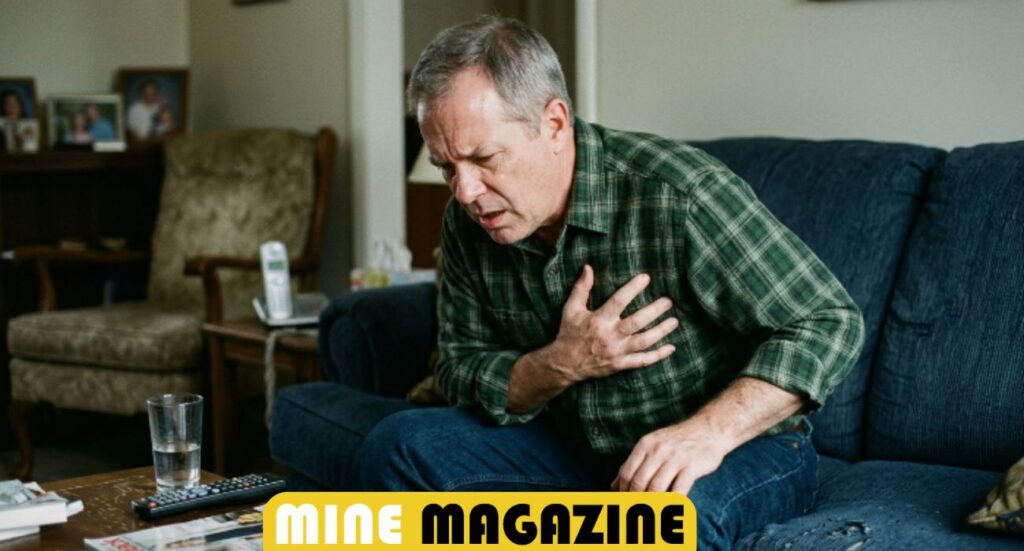
Your body speaks before a crisis. You just need to listen. Common heart attack symptoms include pressure, tightness, or pain in the chest. Many describe it as chest pain and heart attack connection that feels heavy or squeezing.
You may also notice pain in chest and arms causes confusion. Pain can spread to shoulders, neck, or jaw. These are strong signs you are having a heart attack. Ignoring them can delay life-saving heart attack treatment.
Uncommon and Silent Symptoms of a Heart Attack
Not all symptoms are obvious. Some people experience silent heart attack symptoms without chest pain. This is common in older adults and diabetics. You might feel tired, dizzy, or slightly unwell.
A shortness of breath heart issue is another warning. It can happen even at rest. These unusual signs are often missed. Recognizing them early supports the importance of early diagnosis and better outcomes.
How Heart Attack Symptoms Differ in Men and Women
Men often feel strong chest pain. Women may show different signals. The symptoms of heart attack in women include fatigue, nausea, and mild discomfort instead of sharp pain.
This difference causes delays in care. Many women ignore these signs. Knowing how symptoms vary helps you react faster. It also improves awareness of emergency symptoms of heart attack in both genders.
Why Immediate Medical Attention Is Critical

Time matters during a heart attack. Fast care reduces damage. If you notice emergency heart symptoms, call 911 immediately in the U.S. Do not wait or drive yourself.
Quick action improves survival. It restores blood flow and limits injury. Delays increase complications. Understanding urgency helps you protect your life and maintain strong cardiovascular health.
Role of a Cardiologist in Early Detection and Prevention
A specialist can spot problems early. A cardiologist consultation helps assess risks and detect hidden issues. Many people wait too long before seeking expert advice.
Knowing when to see a cardiologist is key. Early visits allow better planning. Doctors can guide you on heart disease prevention and long-term care strategies.
What to Expect During a Cardiology Checkup
A heart health checkup usually starts with medical history. Then doctors perform tests for heart disease diagnosis like blood work and imaging. These tests show how your heart is working.
Common tests include ECG and echocardiogram tests. They help detect irregular rhythms and structural problems. Early testing improves diagnosis and leads to effective heart attack treatment plans.
Lifestyle Changes to Prevent Heart Attacks
Healthy habits protect your heart. Simple lifestyle changes for heart health can reduce risks greatly. Focus on diet, exercise, and stress control.
Below is a practical lifestyle table:
| Habit | Benefit |
| Regular exercise | Improves circulation |
| Healthy diet | Reduces cholesterol |
| No smoking | Protects arteries |
| Stress control | Lowers blood pressure |
These are proven heart attack prevention tips. They support heart health lifestyle habits and show how to prevent heart attack naturally in daily life.
When to Seek Emergency Help
Do not ignore warning signs. If you feel chest pressure, breathing issues, or dizziness, act fast. These are clear emergency symptoms of heart attack.
Call emergency services immediately. Quick care can save your life. Acting early protects your heart and prevents long-term damage.
Final Thoughts
Your heart gives warnings before serious trouble. Understanding Heart attack warning signs helps you stay prepared. Never ignore symptoms, even if they seem mild.
Early action, proper care, and healthy habits make a big difference. Focus on prevention. Stay alert. Your life depends on it.
FAQ’s About Heart Attack Warning Signs
What are three warning signs of a heart attack in females?
Common signs include unusual fatigue, shortness of breath, and discomfort in the chest, jaw, or back rather than sharp chest pain.
Can you survive a heart attack without going to the ER?
Some people survive mild or silent heart attacks, but avoiding the ER is very risky and can lead to serious complications or death.
How do I know if I’m having a heart attack?
Watch for chest pressure, pain spreading to the arm or jaw, sweating, dizziness, or trouble breathing—these are key warning signs.
What to do after a mild heart attack?
Follow your doctor’s advice, take prescribed medicines, adopt heart-healthy habits, and attend regular follow-ups for recovery.
How does a mini heart attack feel?
It often feels like mild chest discomfort, fatigue, nausea, or shortness of breath and can be easy to overlook.
People Also Read: Who Is Antonimar Mello? Biography, Career, Family & Relationship with Lisa Lisa

I am Muhammad Arif, an experienced digital marketer and content writer specializing in SEO and audience growth. I focus on creating high quality, engaging content that delivers real results.