

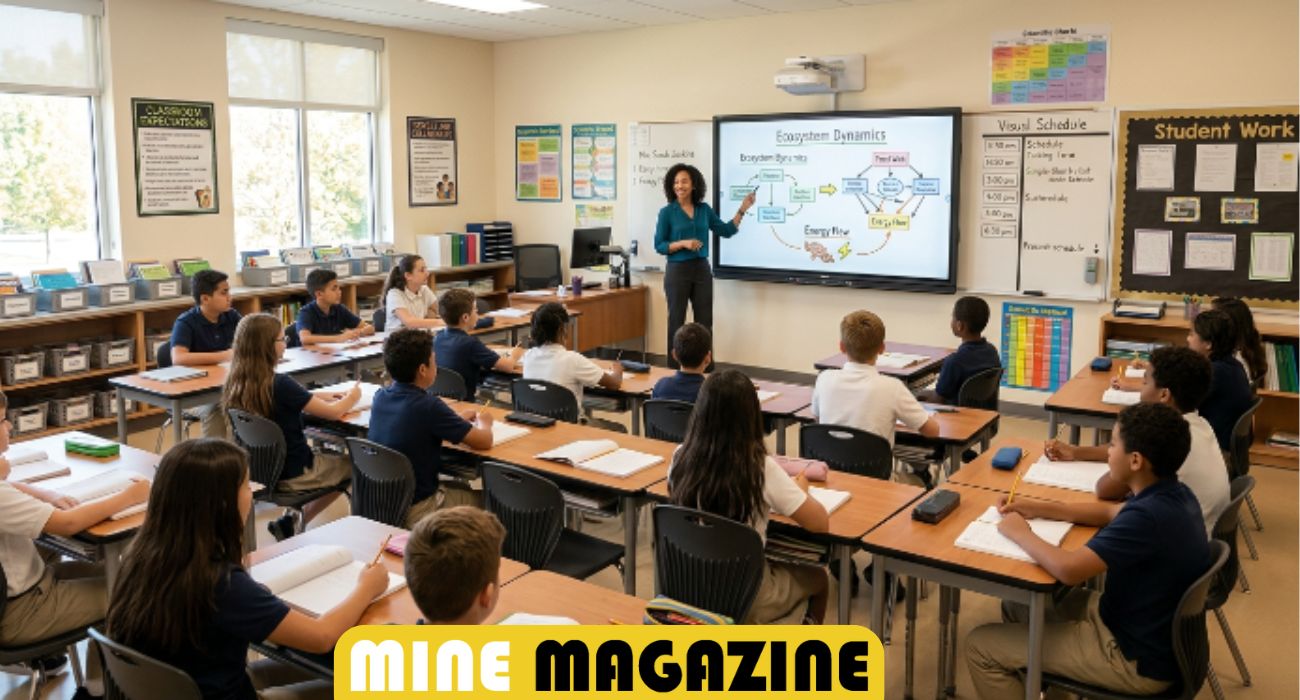
A well-structured classroom does not happen by luck. It grows through strong classroom management and clear direction. When you create a system that works, students feel safe, focused, and ready to learn. Good teaching starts with a balanced approach to classroom behavior management and a supportive classroom environment. You guide students with simple rules, clear goals, and consistent actions.
Over time, this builds trust and improves learning outcomes. Strong management also supports student engagement strategies and strengthens teacher student relationships. When your class runs smoothly, you spend less time fixing problems and more time teaching. That is the true power of effective classroom management.
What Is Classroom Management Strategies and Why It Matters in Modern Classrooms

Classroom management refers to the way you organize your class, guide behavior, and create a strong classroom environment. It is not only about discipline. It also includes classroom routines and procedures, communication, and emotional connection. A teacher who masters teaching strategies for classroom management builds a smooth and stress-free classroom.
In modern education, students need more than rules. They need structure with care. A strong system supports student engagement strategies and builds trust. When you focus on both control and connection, you create a positive classroom environment where learning becomes natural and enjoyable.
Key Benefits of Effective Classroom Management Strategies
Strong effective classroom management improves learning in many ways. It increases focus, reduces noise, and builds confidence. Students feel safe to share ideas. This leads to better student engagement improvement and stronger results. Over time, you will see real academic performance improvement.
A well-managed class also improves teacher student relationships. When students trust you, they behave better. You spend less time fixing problems and more time teaching. This leads to higher classroom productivity and better outcomes for everyone.
| Benefit | Impact |
| Better focus | Improved student focus and attention |
| Clear structure | Strong structured learning environment |
| Positive behavior | Better student behavior correction |
| Higher engagement | Strong learning atmosphere |
Core Principles of Successful Classroom Management Strategies
Every strong system follows simple rules. First, keep things consistent. Students need consistent routines to feel secure. Second, be fair. Fair rules build respect. Third, give clear instructions so students always know what to do.
Balance is key. You need both teacher authority and empathy. Too strict, and students feel pressure. Too soft, and control fades. When you combine both, you build trust and improve classroom rules enforcement.
Proven Strategies for Teachers
You can improve classroom management techniques for teachers with simple actions. Start by setting clear classroom rules and expectations on day one. Then use positive reinforcement to reward good behavior. Students repeat what gets noticed.
Build strong classroom organization techniques. Use schedules. Plan transitions. Keep lessons flowing. These steps support student participation and reduce confusion. Over time, your class runs like a well-oiled machine.
How to Manage Classroom Behavior Effectively
Managing behavior is not about punishment. It is about smart behavior management strategies. Address small issues early. Stay calm during problems. Focus on conflict resolution in classroom instead of reacting emotionally.
Use fair consequences. Connect actions to outcomes. This teaches responsibility. Avoid harsh reactions. Focus on classroom discipline vs punishment. When students understand why rules exist, they follow them more willingly.
Creating a Positive and Productive Classroom Environment
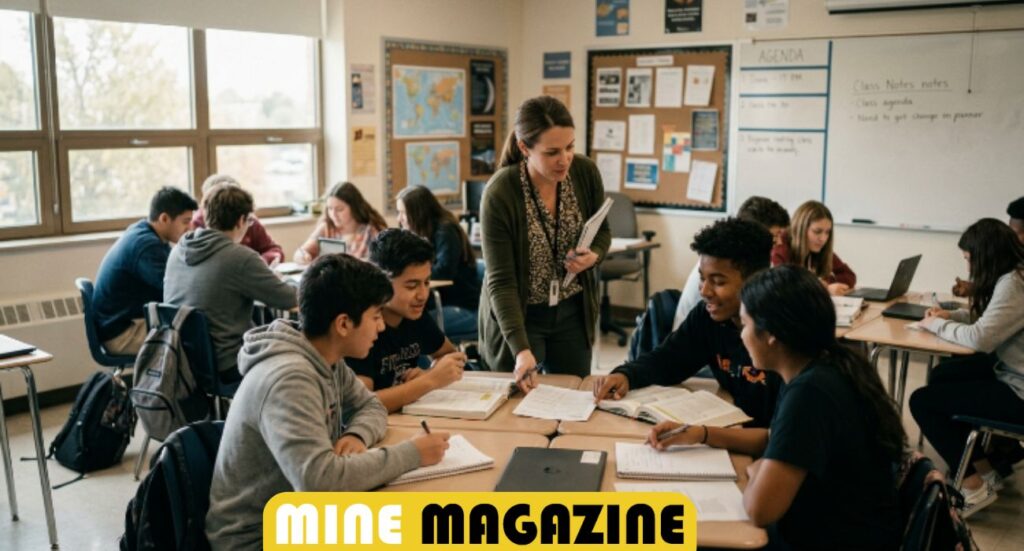
A strong classroom environment shapes student success. Arrange your space wisely. Keep it clean and welcoming. Encourage teamwork and respect. These small steps create a powerful positive classroom environment.
Emotions matter. Provide emotional support in classroom so students feel safe. When students feel valued, they stay motivated. This builds strong student motivation in classroom and improves overall learning.
Communication Skills for Better Classroom Management Strategies
Clear communication drives classroom communication skills. Speak simply. Give direct instructions. Repeat key points. This reduces confusion and improves learning flow.
Listen actively. Encourage questions. Build open dialogue. Strong communication improves managing student behavior and builds trust. When students feel heard, they respond positively.
Using Technology to Improve Classroom Management Strategies
Technology can transform your teaching. Use digital learning tools to track progress and organize tasks. Platforms like Google Classroom help manage work easily.
Add interactive learning platforms to boost engagement. However, control screen time. Set limits to ensure proper classroom distractions control. Technology should support learning, not distract from it.
Classroom Management Strategies for Different Age Groups
Young students need structure. Use visuals and rewards. This supports early classroom discipline techniques. Middle school students need guidance with freedom. Balance rules with independence.
High school students expect respect. Focus on discussion and responsibility. Adjust your methods based on age. This improves student engagement strategies and keeps learning relevant.
Common Classroom Management Strategies Mistakes and How to Avoid Them
Many teachers struggle with inconsistency. Changing rules often confuses students. Stick to your system. Avoid overreacting. Stay calm and focused.
Ignoring student needs is another mistake. Always listen. Plan lessons well. Poor planning leads to boredom and weak classroom productivity. Fixing these mistakes improves your overall teaching impact.
Conclusion
Strong classroom management changes everything. It builds structure, improves behavior, and boosts learning. When you apply effective classroom management, your classroom becomes a place where students grow with confidence.
Keep improving. Try new ideas. Stay patient. With time, your skills will sharpen. A well-managed classroom is not just a goal. It is a journey toward long-term educational success strategies.
FAQ’s About Classroom Management
What are the 5 P’s of classroom management?
The 5 P’s are Preparation, Positive attitude, Patience, Persistence, and Professionalism, which help teachers stay organized and consistent.
What are the 4 types of classroom management?
The four types are Authoritative, Authoritarian, Permissive, and Indulgent, each reflecting a different balance of control and support.
What are the 5 principles of classroom management?
They include clear expectations, consistency, fairness, engagement, and positive reinforcement to maintain order and motivation.
What are the 7 key elements of classroom management?
These are rules, routines, relationships, engagement, discipline, communication, and organization for a structured classroom.
What are the 5 C’s of classroom management?
The 5 C’s are Control, Care, Communication, Consistency, and Content, which ensure effective teaching and behavior management.
People Also Read: Reneé Rapp Height: How Tall Is the Actress & Singer in 2026?

I am Muhammad Arif, an experienced digital marketer and content writer specializing in SEO and audience growth. I focus on creating high quality, engaging content that delivers real results.