

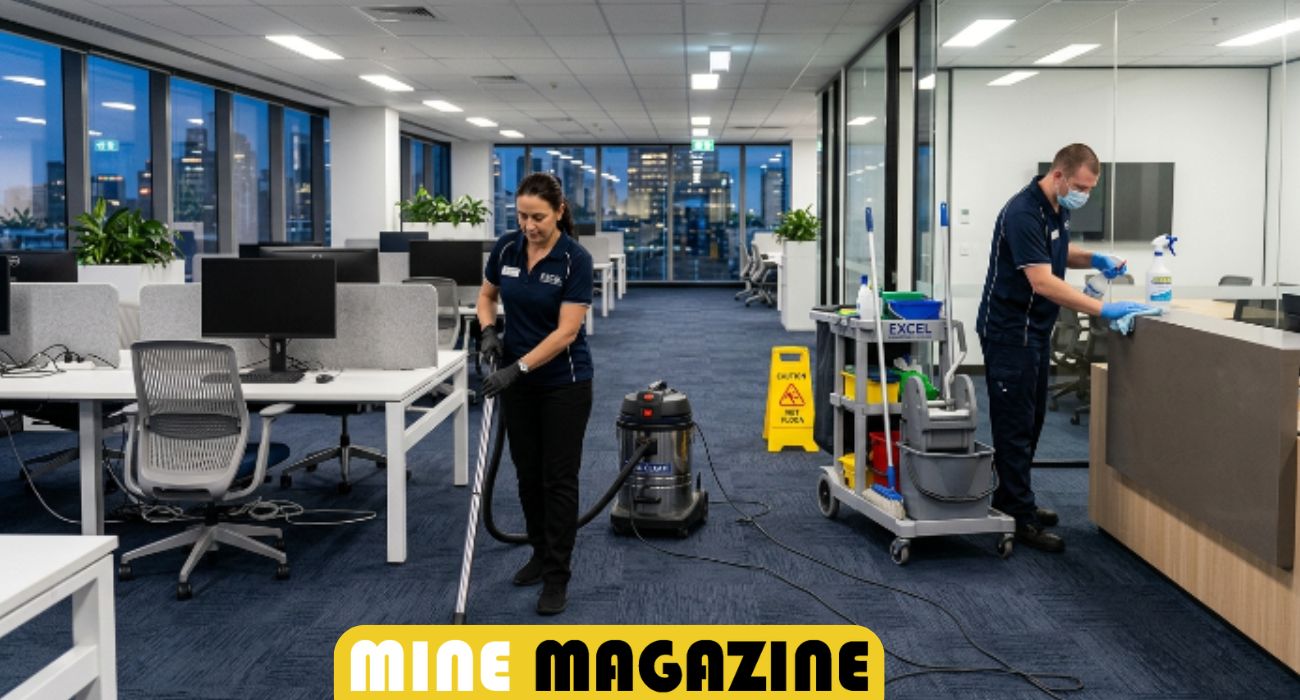
Commercial cleaning is more than just keeping spaces tidy. It is a structured system that protects health, safety, and business reputation. In today’s global market, companies expect high standards, especially when working with professional cleaning providers across regions like Ireland and the USA. Strong Commercial cleaning services Ireland follow strict rules that ensure quality, safety, and consistency in every task. Understanding Cleaning compliance Ireland helps businesses avoid risks and maintain trust.
Many organizations now focus on Commercial cleaning compliance standards to meet legal and operational expectations. With growing demand, Cleaning services regulations Ireland have become more detailed, ensuring cleaner workplaces, safer environments, and better accountability across all industries.
Understanding Commercial Cleaning Standards in Ireland
What compliance is required for commercial cleaning services in Ireland depends on industry type and risk level. Basic office cleaning follows general rules. High-risk sectors like healthcare or food production follow stricter controls. This creates a layered system of Commercial cleaning compliance standards.
For USA businesses, this difference is important. Ireland follows EU-aligned systems, so rules may feel more structured than what some companies expect. Cleaners must follow written procedures, training systems, and inspection routines. Nothing is left to guesswork.
A simple comparison helps explain it:
| Sector | Cleaning Standard Level | Key Focus |
| Office spaces | Basic compliance | Hygiene and safety |
| Food industry | High compliance | HACCP controls |
| Healthcare | Very high compliance | Infection control |
| Pharma | Strict compliance | GMP validation |
In practice, Cleaning services regulations Ireland ensure cleaning is not just visual. It must be measurable and documented.
Employment Law Compliance: The Baseline Requirement
Every professional cleaning company must follow Irish employment law. This is the foundation of trust. Employment law compliance in cleaning industry includes contracts, wages, working hours, and tax compliance. Without this, the system becomes unstable.
Many USA companies are surprised to learn that Ireland has strict rules on worker classification. If staff are misclassified as independent contractors, legal issues may follow. The Workplace Relations Commission Ireland cleaning sector regularly investigates such cases.
Proper companies issue formal contracts. This is part of Cleaning staff employment contracts Ireland standards. Workers also receive PAYE deductions and social insurance contributions.
A simple truth applies here. If workers are not legally employed, clients may also face indirect risk. That is why businesses must ask directly: Are cleaning staff properly employed under Irish law.
Insurance Coverage Every Professional Cleaning Company Must Have
Insurance is not optional in this industry. It protects both the cleaning company and the client. The most important coverage is Public liability insurance cleaning companies. This protects against damage or injury on site.
Another key layer is Employer liability insurance cleaning services. This protects workers if they are injured during work. Without it, claims can move toward the client in some situations.
A simple breakdown helps:
| Insurance Type | What It Covers | Why It Matters |
| Public liability | Damage to property or people | Client protection |
| Employer liability | Worker injury claims | Staff safety |
| Professional indemnity | Service advice errors | Specialist services |
USA procurement teams often ask: What insurance should a cleaning company have in Ireland. The answer is simple. Both public and employer liability are essential. Certificates should always be requested, not just promised.
Health and Safety Regulations in the Cleaning Industry
Safety rules form the backbone of cleaning operations. Health and safety cleaning regulations Ireland are enforced by the Health and Safety Authority. They cover chemicals, equipment use, and workplace risk.
Cleaning staff must follow strict procedures. They use PPE, handle chemicals safely, and report hazards. This reduces accidents and protects both staff and clients.
A practical example makes this clearer. Imagine a cleaner using industrial chemicals without training. A small mistake could cause injury or property damage. That is why How cleaning companies handle health and safety compliance is a key question during procurement.
In real terms, safety systems include risk assessments, safety statements, and training logs. These are not optional. They are legally required.
Sector-Specific Regulatory Compliance for Cleaning Services
Not all cleaning is equal. Different industries require different standards. For example, food facilities must follow HACCP cleaning requirements. This ensures food safety and contamination control.
Healthcare environments follow strict hygiene rules. These include Infection control cleaning standards healthcare systems. Every surface, room, and tool follows a defined cleaning protocol.
Pharmaceutical sites go even further. They require GMP cleaning requirements pharmaceutical industry compliance. These rules ensure sterile environments for production.
A simple reality applies here. The higher the risk, the stricter the cleaning rules. That is why Regulatory standards for industrial cleaning services vary so widely.
Quality Management Systems and Service Documentation
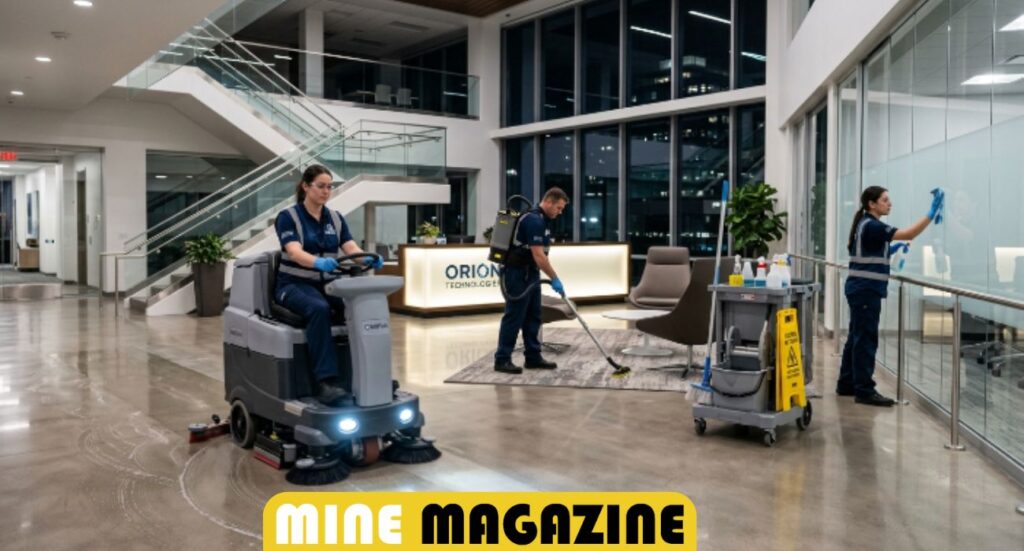
Good cleaning companies do not rely on memory. They rely on systems. Quality management systems cleaning services ensure work is tracked and verified.
These systems produce Cleaning audit documentation. This includes checklists, reports, and inspection logs. Clients can review them anytime.
Many companies also follow ISO cleaning standards. These standards help create consistency and trust across different sites.
A short case example helps:
A logistics company in Dublin once switched cleaning providers. The new provider introduced weekly audit reports. Within three months, service quality improved, and complaints dropped significantly. This shows clearly What is included in cleaning service quality management.
Without documentation, cleaning becomes guesswork. With it, it becomes measurable.
Environmental and Green Cleaning Standards in Ireland
Modern cleaning is also about sustainability. Green cleaning standards Ireland focus on safe chemicals, waste control, and reduced environmental impact.
Many companies now follow Environmental compliance cleaning companies rules. This includes using biodegradable products and reducing chemical waste.
For USA companies with ESG reporting, this matters a lot. Environmental data often feeds into global sustainability reports.
A simple truth stands out. Clean spaces should not harm the environment. That is why Green cleaning requirements for commercial buildings are becoming standard.
Staff Training and Certification Requirements
Training is not optional in professional cleaning. Staff must understand safety, hygiene, and equipment use. This is part of What certifications do cleaning companies need in Ireland.
Well-trained staff reduce mistakes. They also improve service consistency. Training includes chemical handling, PPE use, and emergency response.
Companies that invest in training also reduce risk. It connects directly with Cleaning service quality control systems.
Data Protection and GDPR Compliance in Commercial Cleaning
Cleaning teams often access offices, files, and restricted spaces. That creates data risk. GDPR rules apply even in cleaning operations.
Companies must follow strict privacy practices. Staff often sign confidentiality agreements. This ensures sensitive data is protected.
This area connects with Cleaning contractor regulations and security policies. A small mistake here can create major compliance issues.
How to Evaluate a Compliant Commercial Cleaning Provider
Choosing the right provider is not about price alone. It is about proof. Businesses should use a Procurement cleaning services checklist to evaluate vendors.
A compliant provider should clearly show documentation, insurance, training records, and safety systems. If they hesitate, that is a warning sign.
A strong evaluation approach includes checking:
- Legal employment structure
- Insurance certificates
- Safety documentation
- Quality reports
- Environmental practices
In the end, Difference between compliant and non-compliant cleaning services often comes down to transparency. Compliant companies show their systems. Non-compliant ones avoid detail.
Final Insight
Commercial cleaning in Ireland is structured, regulated, and documentation-driven. For USA businesses, this may feel strict at first. However, it creates trust and reduces risk.
When you understand Cleaning compliance Ireland, you are not just hiring cleaners. You are choosing a system that protects your business, your staff, and your reputation.
FAQ’s About Commercial Cleaning
What is meant by commercial cleaning?
Commercial cleaning means professional cleaning of business spaces like offices, shops, hospitals, and factories. It focuses on hygiene, safety, and maintaining a professional environment.
How much do you charge for commercial cleaning?
Commercial cleaning rates usually depend on space size, job type, and location. In most cases, it ranges from $25 to $75 per hour per cleaner.
Is $50 an hour for cleaning good?
Yes, $50 per hour is generally a good rate for professional cleaning, especially for commercial or specialized cleaning services with trained staff and insurance.
What is an example of a commercial cleaner?
A commercial cleaner could be a company that cleans office buildings, sanitizes hospitals, or maintains retail stores using professional equipment and trained staff.
How much is a 1 hour clean?
A 1-hour clean typically costs between $25 and $75 depending on the service level, location, and whether it’s residential or commercial cleaning.
People Also Read: Who Is Paula Profit? Biography, Early Life, Career, and Personal Story

I am Muhammad Arif, an experienced digital marketer and content writer specializing in SEO and audience growth. I focus on creating high quality, engaging content that delivers real results.